Discovering Bali, Indonesia: Island

 
First Impressions: A Tropical Dream
From the moment you land at Ngurah Rai International Airport, Bali greets you with warm air, welcoming smiles, and the scent of incense drifting from nearby temples. The island instantly feels alive — not just with people and nature, but with something deeper and spiritual.


Roads & Traffic

Bali has narrow roads, heavy traffic, and a mixture of cars and motorbikes competing for the right of way, making it a difficult place to drive.

Motorbike accidents are one of the biggest safety risks in Bali, and it seems like there are new stories every day of foreign tourists getting killed or seriously hurt on bikes. Usually they’re riding without helmets.

I wouldn’t recommend riding a motorbike in Bali unless you have plenty of experience and know-how, and you should absolutely wear a high quality helmet as well.

Even then, you’re much safer in a car in this kind of environment. Yes, it costs more, but it’s nowhere near as expensive as ending up in the hospital.

 Food Safety (‘Bali Belly’)

After many years of visiting Bali, trying all the food, and generally eating like a pig, I’ve never gotten any kind of sickness from food. And I eat everything, including fresh fruit, salad, spicy food, and street food.
In my opinion, ‘Bali belly’ is overhyped. I don’t personally know anyone who has ever had it, including any of my other expat or tourist friends.
I think part of the ‘Bali belly’ reputation came from 20+ years ago, when food safety in Bali was more of an issue than it is now.

Fruit smoothie bowl

Fruit smoothie bowl. Yum. 

There’s also the possibility that some people think they’re experiencing ‘Bali belly’ 
when it’s actually something else entirely.
I’m sure there’s seasonal sickness that gets carried into Bali from ‘snowbird’ travelers escaping their home countries in the winter, and some people probably mistake these normal viruses for ‘Bali belly’ because the symptoms are similar.
In any case, everyone’s stomach is different, so if you tend to be sensitive to new foods then you may want to start out slowly and avoid spicy food when you first get to Bali.

Floating breakfast in the pool

Floating breakfast at Maha Hills Resor  

One exception is the tap water in Bali, which isn’t recommended to drink because it might give you traveler’s diarrhea.

It’s also not recommended to use tap water for brushing your teeth, although I know some locals and expats who do it with no issues.

Bottled water is cheap and widely available, so you can use that instead.

I love Bali coffee design

I love Bali

 Volcanoes

Bali is home to two active volcanoes: Mount Agung and Mount Batur.
It’s possible for either of these to erupt at any time, and Mount Agung did have a major eruption in 2017-2019, when it exploded with a 4 kilometer tall ash cloud.
That’s not the first time it’s happened. In 1963, a catastrophic eruption from Agung wiped out the nearby villages and killed 2,000 local people.
However, eruptions are still rare, and you have to keep in mind these volcanoes are located far from the main tourist areas in Bali, so they pose almost no risk to the average person when they do erupt.

The volcanoes are also monitored for seismic activity nowadays, and some people even hike them. I’ve hiked to the top of both Batur and Agung multiple times.

Mount Agung eruption in Bali in 2017

Mount Agung eruption in 2017 (© Shutterstock)

Mount Agung eruption and sunset in Bali in 2017

Another view of the eruption (© Shutterstock)

• Earthquakes

One of the unnerving realities of life in Indonesia is that the whole country, including Bali, sits directly on the Pacific Ring of Fire, a tectonic belt of volcanoes and earthquakes. Around 90% of the world’s earthquakes happen in this zone.

I was in Bali when the 7.0 magnitude earthquake hit Lombok in 2018, and it was a scary experience. It rattled our hotel, spun our ceiling fan a few times, and even made waves in the pool.

On the nearby island of Lombok, the quake did a lot more damage and killed almost 600 people. And that’s nothing compared to the 2004 earthquake and tsunami in Sumatra, Indonesia, which killed almost 230,000 people.

What’s keeping the same tragedy (or worse) from happening in Bali someday? Nothing, really. But the truth about earthquakes is that it’s impossible to predict when the next big one might happen. It could be tomorrow, or it could be 1,000 years from now.

If you’re ever caught in a strong earthquake that lasts a long time, you should try to get away from buildings and the beach, and seek higher ground in case the earthquake triggers a tsunami.

f that’s not possible, you should at least take cover in bed and protect your head and neck with a pillow. Avoid windows and glass.

In Bali, there’s a handy app you can download from BMKG for real-time alerts and info about any nearby quake activity.

Floating lake temple at Pura Ulun Danu Beratan in Bedugul, Bali

Famous lake temple in Bali — Ulun Danu Beratan

Drone pic of Manta Point in Nusa Penida Bali

A drone pic of the coastline in Nusa Penida

What About Animals?

• Dogs

It’s common to see stray dogs in Bali, and they generally won’t bother you, but if you happen to be bitten by one you should go get a rabies vaccine immediately.

There was a serious outbreak of rabies in Bali from 2008-2011 where more than 130 local people died.

In recent years, Bali has gotten better vaccination and sterilization programs, but they’re still not perfect. There were a few deaths in 2023 and 2024.

Dogs are the main vector for the rabies virus, and rabies has a 100% fatality rate in humans if you delay treatment long enough to become symptomatic.

Don’t take a chance with this. Any dog bite in Bali should be treated with a rabies shot as soon as possible.

On the other hand, it’s not something that should scare you away from visiting Bali. As a tourist you probably won’t ever get bitten, and it’s pretty easy to get a rabies shot if that does happen.

Smiling Bali dog

How To See The Best Of Zhangjiajie Forest Park


Where To Stay

Before we get into the itinerary, the first decision you need to make is where to base yourself.

Here are the options:

  • Zhangjiajie Town — This is the main town with the airport and train station. Even though it has the same name as the park, it’s located 30 kilometers south of it. I decided to stay here because I also wanted to visit Tianmen Mountain, and the cable car for that is located in the middle of town. I can recommend Hotel California as a great place to stay. The owner is super helpful.
  • Wulingyuan Town — This is a small town right outside the east entrance of the forest park. It has plenty of hotels and restaurants, so you can stay here if you want to be right outside the park for easy access.
  • Zhangjiajie National Forest Park — There’s one hotel directly inside the park and it’s called YOLO Resort. Staying here can be advantageous if you want to beat the crowds and also watch the sunrise and sunset after hours. Next time, I think I’ll do that.
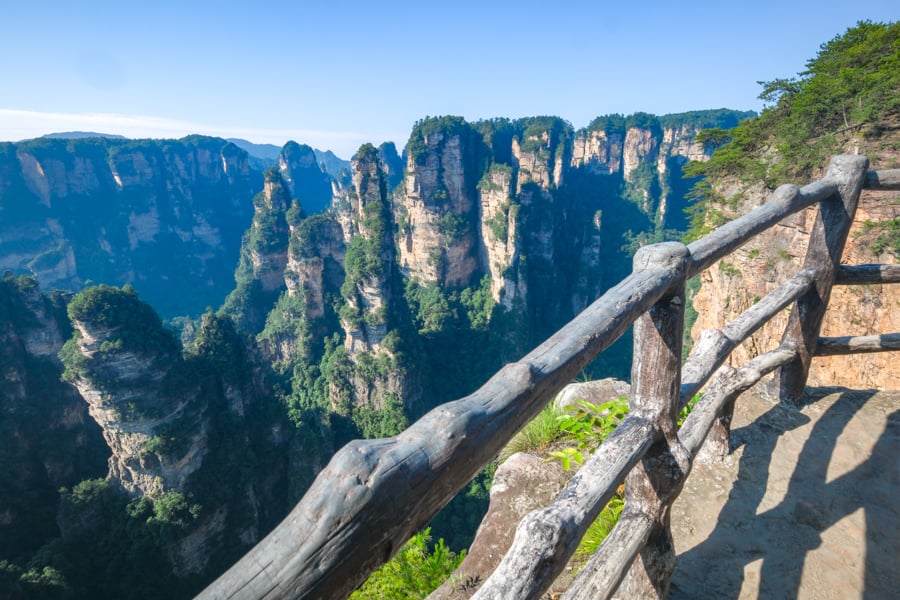
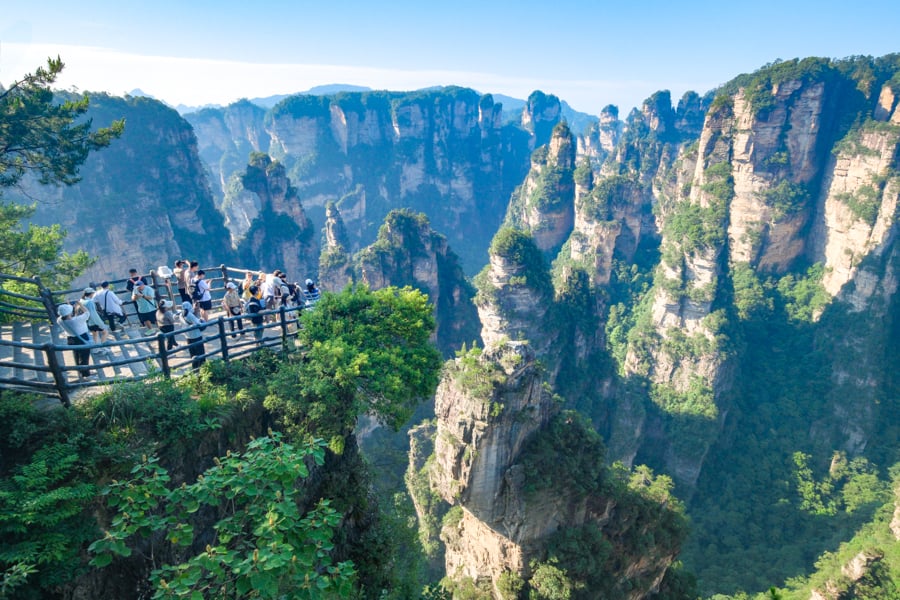
    Yuanjiajie viewpoint at the Zhangjiajie National Forest Park in China
    Fence overlook at Yuanjiajie in Zhangjiajie National Forest Park China

 By Taxi

This is an easy option and it’s not very expensive compared to western prices. Taxis are widely available in town, but you might want to make a booking the night before.

If you’re staying in Wulingyuan town, you can book a transfer from the airport here. Otherwise, if you’re staying in Zhangjiajie town, you can book a taxi to the park through your hotel, which is what I did.

You can also use a combination of bus and taxi. In other words, you can take a taxi to the park in the morning, and then go back to town with a bus in the evening.

That’s what I did, because I wanted to get an early start and didn’t want to risk missing the first bus of the morning, but also wanted to save some money getting back to town.

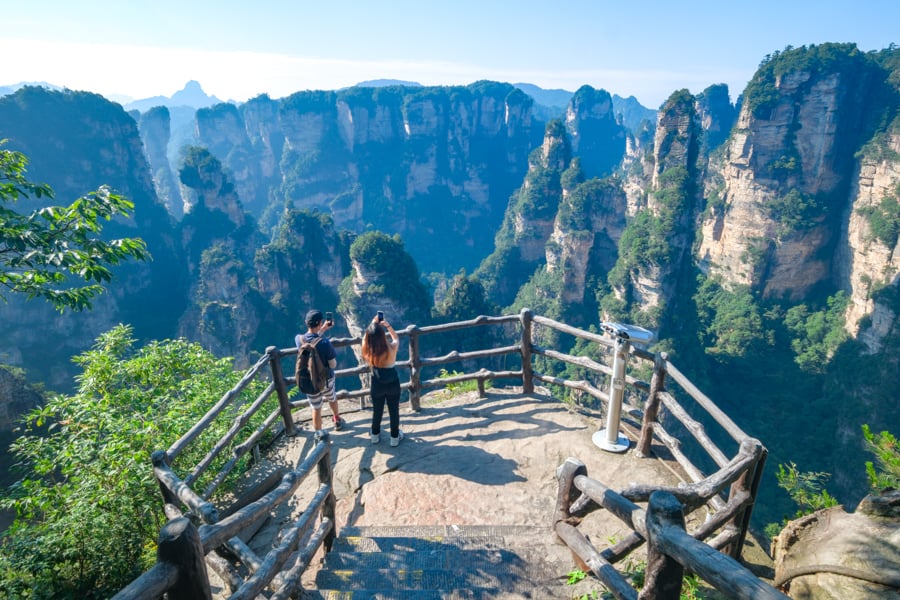
Yuanjiajie platform viewpoint at the Zhangjiajie National Forest Park in China

Another nice platform with 360 degree views

About This 2-Day Itinerary

Here’s a summary of my recommended route for the Zhangjiajie forest park:

  • Day 1 — Yuanjiajie + Tianzi Mountain
  • Day 2 — Golden Whip Stream + Huangshi + Old House Area

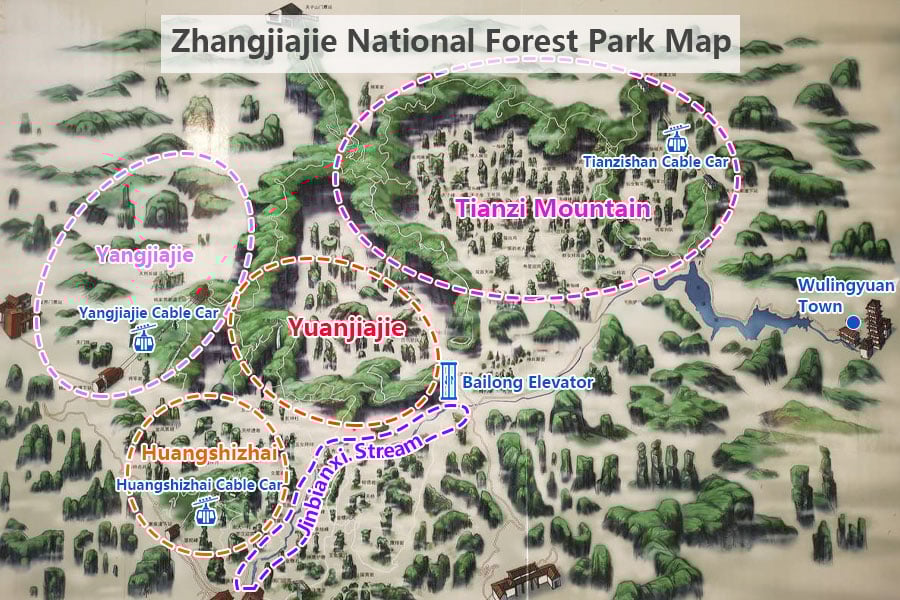
Map of the park
Areas Of The Park Explained

There are 5 main areas of the Zhangjiajie National Forest Park.

In this itinerary, we’ll visit all of these areas at least briefly

  • Yuanjiajie (袁家界) — Extremely popular area with a lot of great sights, including the world’s tallest outdoor elevator and the ‘Hallelujah Mountain’ from Avatar.

Chefchaouen Day Trip: The Blue City Of Morocco


Chefchaouen Day Trip: The Blue City of Morocco

Tucked away in the Rif Mountains of northern Morocco lies a hidden gem that feels like stepping into a dream: Chefchaouen, famously known as The Blue City. With its vibrant indigo-washed walls, laid-back atmosphere, and stunning natural backdrop, a day trip to Chefchaouen offers a completely different flavor from the hustle and bustle of cities like Fez or Marrakech. Whether you're a photographer, a culture lover, or a traveler seeking serenity, this magical city is worth the journey.

Chefchaouen Day Trip Blue City Of Morocco       Chefchaouen Day Trip Blue City Of Morocco

Blue doorways and sleeping dog in Chefchaouen Morocco

Why Is Chefchaouen Blue?

One of the most frequently asked questions is: Why is everything painted blue? There are several theories:

  • The blue color was introduced by Jewish refugees in the 1930s, symbolizing the sky and heaven.

  • Some believe it keeps mosquitoes away, as they dislike the clear water-like hue.

  • Others say it simply helps keep the city cool and brings tranquility to its residents.

Visiting The Blue City: What To Expect

Once you reach Chefchaouen, the city is small enough to be walkable on foot.

If you come with a taxi or tour, they’ll drop you at the main gate, where you can easily walk into the medina of the blue city and start exploring.

If you come by bus and you have luggage, then you may want to hire a taxi to take you the rest of the way from the bus station to Bab El Ain, the main gate of the medina.

It’s only a 5 minute drive, but it’ll save you 20-30 minutes of uphill walking.

Plaza Uta El Hamman

The main plaza of the city

Souvenir shop selling hats and paintingsSouvenir shop

🥘 Enjoy a Traditional Moroccan Lunch

After exploring the medina, grab a rooftop seat and enjoy a meal with a view. Local favorites include:

  • Tagine (chicken, lamb, or vegetarian)

  • Couscous

  • Harira soup

  • Fresh mint tea (a must!)

Try Cafe Clock or Bab Ssour for a mix of tradition and creativity. 


1 Day in Mongolia: A Perfect Day Trip Itinerary


How to Spend 1 Day in Mongolia: A Perfect Day Trip Itinerary

Mongolia is a land of vast open skies, ancient traditions, and untamed landscapes. With its nomadic culture and epic history as the heart of the Mongol Empire, it’s the kind of place that feels like stepping into another world. But what if you only have one day?

Whether you're passing through on a Trans-Siberian Railway stopover, on a short layover in Ulaanbaatar, or just tight on time — it’s absolutely possible to experience the best of Mongolia in a day. You just need the right plan.

8:00 AM – Depart Ulaanbaatar for Terelj National Park

Start your day early and leave the capital behind. A 1.5-hour drive will take you to Gorkhi-Terelj National Park, one of Mongolia’s most accessible and beautiful natural areas. You’ll see yaks grazing, endless green meadows, and the iconic rolling hills that define the Mongolian steppe.

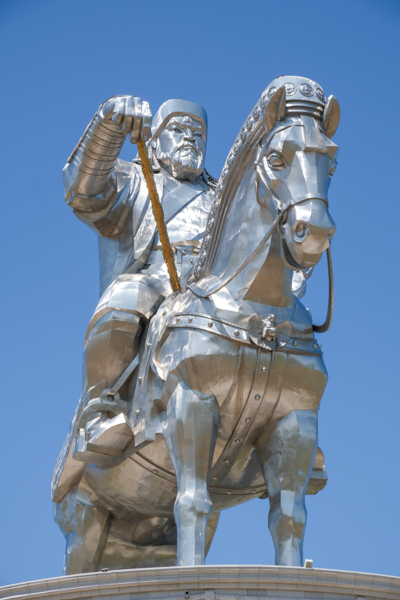
This is the country’s most famous landmark, and it’s also the biggest equestrian (horse riding) statue in the world.

The stainless steel statue was finished in 2008, and it’s 40 meters tall (130+ feet). It sits on top of a visitor center that has a small museum, cafe, and gift shop.

First we went to the basement, where our guide talked about the history of the Mongol empire and showed us some artifacts, including a few weapons and a golden ‘paiza’ (diplomatic passport used by the Mongol officials).

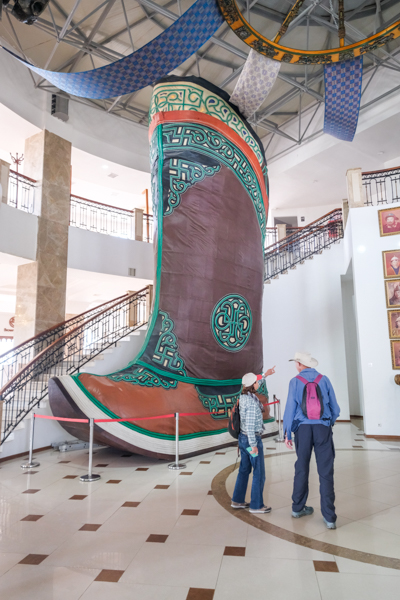
Genghis Khan horse statue       Giant Mongolian boot inside the Genghis Khan building

🍽️ 12:30 PM – Lunch in a Ger Camp

By midday, you’ll be ready for a hearty Mongolian lunch. Many tourist ger camps offer traditional meals in a warm, rustic setting. Look for dishes like:

  • Khuushuur – Deep-fried meat dumplings

  • Tsuivan – Stir-fried noodles with meat and vegetables

  • Buuz – Steamed dumplings often filled with mutton or beef


• Gorkhi Terelj National Park

Our next stop was Terelj National Park. It’s a 1 hour drive from the statue, or slightly farther from Ulaanbaatar. This time there was a bumpy gravel road part of the way there.

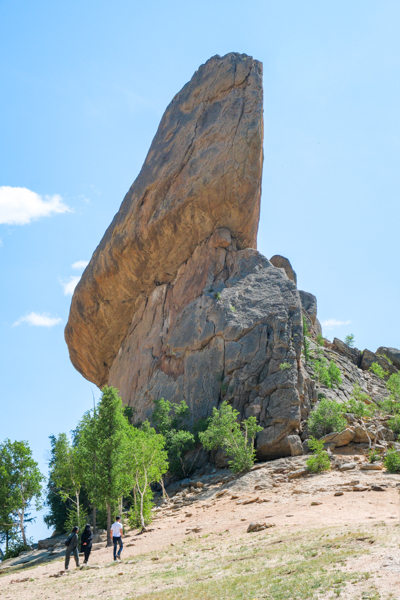
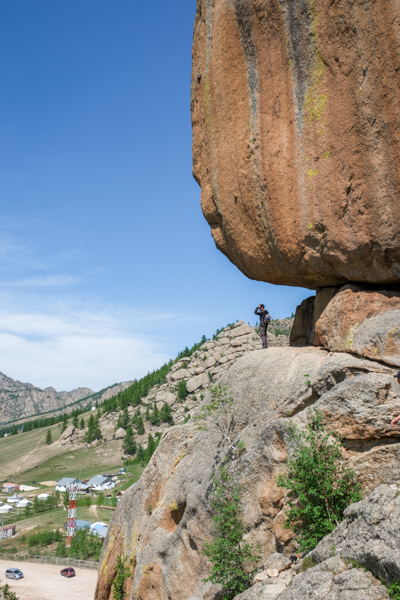
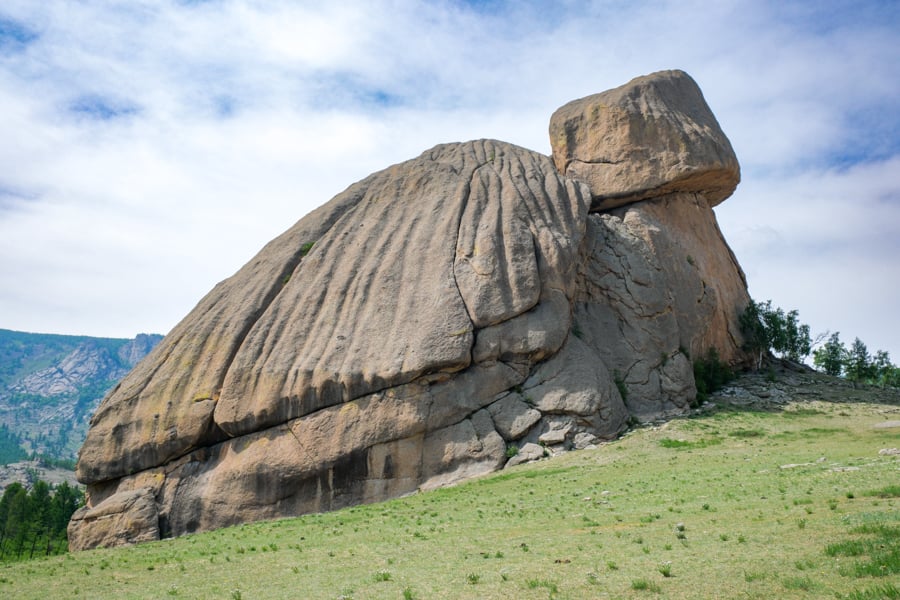
Here, we did a short hike to the top of Turtle Rock, which involved climbing some rocks and squeezing through a few crevices. It was fun and not too hard for anyone in the group.

As you might guess from the name, this giant rock got its name from the shape. Looking at it from the east side, it looks just like a turtle.

Tourists walking below Turtle Rock in Terelj National Park       Tourist on top of Turtle Rock in Terelj National Park

Turtle Rock in Terelj National Park Mongolia

Turtle Rock

Terelj seemed like a nice parkbut I was disappointed by the widespread development insi, de the park.


Kelingking Beach Nusa Penida: T-Rex Cliff Hike In Bali


Hiking Trunyan Hill: Bali’s Most Underrated Trail

When most people think of hiking in Bali, Mount Batur and Mount Agung usually steal the spotlight. But hidden in the shadows of these giants lies a trail less traveled, a path that offers solitude, raw beauty, and a window into Bali’s ancient cultural roots — Trunyan Hill.

Kelingking Cliff Panorama

Why Hike Trunyan Hill?

1. Unspoiled Natural Beauty

Tucked on the eastern edge of Lake Batur, Trunyan Hill is a verdant, jungle-covered peak with panoramic views that rival any in the region. The trail takes you through dense forests, bamboo groves, and volcanic rock formations — often accompanied by misty mountain air and birdsong instead of the chatter of tour groups.

2. Cultural Significance

The hill gets its name from Trunyan Village, a Bali Aga (pre-Hindu) settlement known for its unique funerary customs. Unlike other Balinese communities, the Trunyan people do not cremate or bury their dead. Instead, bodies are laid out under a sacred tree called the Taru Menyan, which miraculously neutralizes any odor. Hiking this hill not only offers natural beauty but also a glimpse into Bali’s ancient past.

3. Crowd-Free Experience

Let’s face it — Bali’s most famous hiking spots can feel more like a pilgrimage than an adventure. But on Trunyan Hill, you’re likely to have the trail almost entirely to yourself. It’s an experience of true tranquility, making it ideal for photographers, meditation seekers, or anyone simply wanting a quiet escape into nature.

 
Kelingking Beach Cliff Point in Nusa Penida Bali

Left side cliff       Right side cliff

The Trail: What to Expect

  • Starting Point: Most hikers begin in Trunyan Village, which is accessible by boat from the eastern shore of Lake Batur (Toya Bungkah or Kedisan).

  • Duration: The hike typically takes 2–3 hours round trip, depending on your pace and photo stops.

  • Difficulty: Moderate. The incline can be steep in some sections, and the trail is not always well-marked, so hiring a local guide is highly recommended.

  • Views: From the summit, you’ll be rewarded with sweeping views of Lake Batur, Mount Abang, and Mount Agung — especially magical at sunrise.


Tips Before You Go

  • Hire a Local Guide: Not only for navigation but also for insights into Trunyan’s rich cultural history.

  • Start Early: Mornings offer cooler temperatures and better chances for clear views.

  • Wear Proper Footwear: The trail can be slippery, especially after rain.

  • Pack Water and Snacks: There are no vendors on the trail.

  • Respect the Culture: If you visit the village or funeral site, dress modestly and be respectful. Photography at the sacred tree is discouraged.


Getting There

To reach Trunyan Village:

  • Drive to Kedisan Village near Lake Batur.

  • From there, take a local boat (15–20 minutes) across the lake to Trunyan.

  • Arrange the hike with a local guide upon arrival or book in advance with a local tour operator who supports community-based tourism.

Climbing Mount Karangetang Volcano In Siau, Sulawesi

  You can’t go anywhere on tiny Siau island without seeing this majestic volcano and its twin smoking craters. If you’re lucky, you may even...